Our History Our Comrades • Our Memory
Nearly a century of comradeship, service, sacrifice and remembrance — from the birth of the M.O.T.H. movement in 1927 to the continuing story of veterans in Namibia.
A Brotherhood Built on Memory
The Memorable Order of Tin Hats was created from a
simple but powerful question: what happened to the
comrades with whom we had shared the front line?
From that question grew an organisation whose purpose
was not simply to remember the past, but to carry the
spirit of front-line comradeship into civilian life.
That principle remains at the heart of M.O.T.H. today:
True Comradeship. Mutual Help. Sound Memory.
The M.O.T.H. Story — A Timeline
The Birth of Charles Alfred Evenden
Charles Alfred Evenden was born in London. He would later become the founder and guiding inspiration of the M.O.T.H. movement, known affectionately as Moth “O”.
Gallipoli and the Experience of War
As a young man Evenden served with the Australian forces. He served in Egypt and at Gallipoli, where he was badly wounded and eventually evacuated for treatment.
From Soldier to Cartoonist
After the war, Evenden returned to Australia. His later career brought him to South Africa, where he worked as a cartoonist for the Natal Mercury in Durban under the name “EVO”.
The Question That Started M.O.T.H.
After seeing a war film showing troops in steel helmets and muddy uniforms, Evenden began wondering what had happened to his former comrades — where they were and what they were doing.
The Memorable Order of Tin Hats Is Founded
Discussions with friends and colleagues eventually led to the founding of the Memorable Order of Tin Hats in Durban, South Africa.
The Shellholes Spread
The movement grew from its South African beginnings, with Shellholes established in other parts of the world. The idea of the Shellhole became central to the M.O.T.H. way of life.
Mount Memory
Moth “O” inaugurated Mount Memory, a memorial dedicated to the dead and missing of the Second World War. Memorials and Gardens of Remembrance became an important part of the Order’s commitment to Sound Memory.
A Century of Mothing
The Order approaches its centenary — a remarkable milestone for an organisation founded in the aftermath of the First World War and still carrying its original ideals.
The Man Behind the Order
Charles Evenden — Moth “O”
Charles Alfred Evenden was not simply a founder. His own experience of war shaped the philosophy that would become M.O.T.H.
Born in London in 1894, he later served with the Australian forces during the First World War and was wounded at Gallipoli.
After the war he became a cartoonist and eventually settled in Durban, where his work for the Natal Mercury gave him a platform from which the idea of M.O.T.H. could emerge.
His title, Moth “O”, became a permanent part of the Order’s identity.
He remained the guiding inspiration of the organisation until his death in 1961.
The Moment That Changed Everything
“Forgetfulness”
In 1927, after watching a war film, Evenden was struck by memories of his own comrades and began thinking about what had happened to the men with whom he had shared military service.
This inspired a cartoon about the forgetfulness of comradeship that appeared to have disappeared once the war was over.
That idea became the spark from which the M.O.T.H. movement developed.
The lesson was simple: the end of a war should never mean the end of comradeship.
The Language of the Order
M.O.T.H. has developed its own powerful symbols, language and traditions — each connected to the experience of service and remembrance.
The Tin Hat
The steel helmet worn by soldiers became the central symbol of the Order and gave M.O.T.H. its name.
The Lighted Candle
The candle represents the Light of Service and the continuing duty to remember those who have gone before.
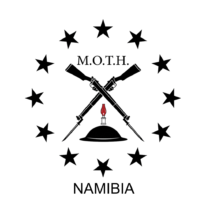
The Crossed Rifles
The crossed rifles represent sacrifice and the military service from which the Order emerged.
The Twelve Stars
The twelve stars surrounding the emblem signify Mutual Help.
The Unending Circle
The circle expresses life and harmony without end — a fitting symbol for a brotherhood whose bonds continue beyond active service.
The Three Colours
The M.O.T.H. flag uses dark blue, red and air-force blue, representing the three services from which the Order originated.
Three Ideals. One Brotherhood.
The foundation of M.O.T.H. has remained remarkably consistent since 1927.
True Comradeship
Bringing the friendship and fellowship of the front line into civilian life.
Mutual Help
Accepting a personal and collective responsibility to help fellow comrades as one would have done during service.
Sound Memory
Remembering the fallen as a living companionship and turning remembrance into practical action.
Why Are They Called Shellholes?
The local units of the Order are known as Shellholes.
The name comes directly from the battlefield experience of the men who founded the movement. The Shellhole became more than a meeting place: it became the home of comradeship.
Shellholes operate under charters issued through M.O.T.H. General Headquarters, with administrative structures extending through District and Provincial Dugouts.
It is where veterans meet, remember, support one another, conduct ceremonies, maintain traditions and pass memories to the next generation.
Mount Memory — A Mountain of Remembrance
In 1948, Moth “O” inaugurated Mount Memory in the foothills of the Drakensberg mountains.
The memorial became a place of remembrance for the dead and missing of the Second World War and stands as an expression of one of the Order’s deepest principles: the fallen must not disappear from living memory.
The wider M.O.T.H. tradition of memorials and Gardens of Remembrance reflects the same belief — remembrance is not merely a ceremony; it is a responsibility.
A History That Still Exists in the Archives
The story of M.O.T.H. is not dependent only on memories passed from one generation to another. Historical records have survived in national collections.
The South African National Archives records M.O.T.H. material held by the South African National Museum of Military History.
The Story Comes to Namibia
M.O.T.H. did not remain confined to its original South African home. The Shellhole tradition spread beyond the country’s borders, including into Namibia.
Namibia Command now forms part of that wider international M.O.T.H. story — bringing the same principles of comradeship, mutual assistance and remembrance into a Namibian setting.
TRUE COMRADESHIP • MUTUAL HELP • SOUND MEMORYNamibia’s Generations of Service
Namibia’s veterans carry memories from different periods of military service and different generations.
Those memories form an important part of the living history of the M.O.T.H. Shellholes across the country.
Our purpose is not to rewrite history, but to preserve the experiences of the people who lived it and to ensure that future generations have a place where those memories can be respected.
Every Comrade Has a Story
The history of M.O.T.H. Namibia is still being collected. Old photographs, service memories, Shellhole records, badges, documents and personal stories can all become part of the national record.
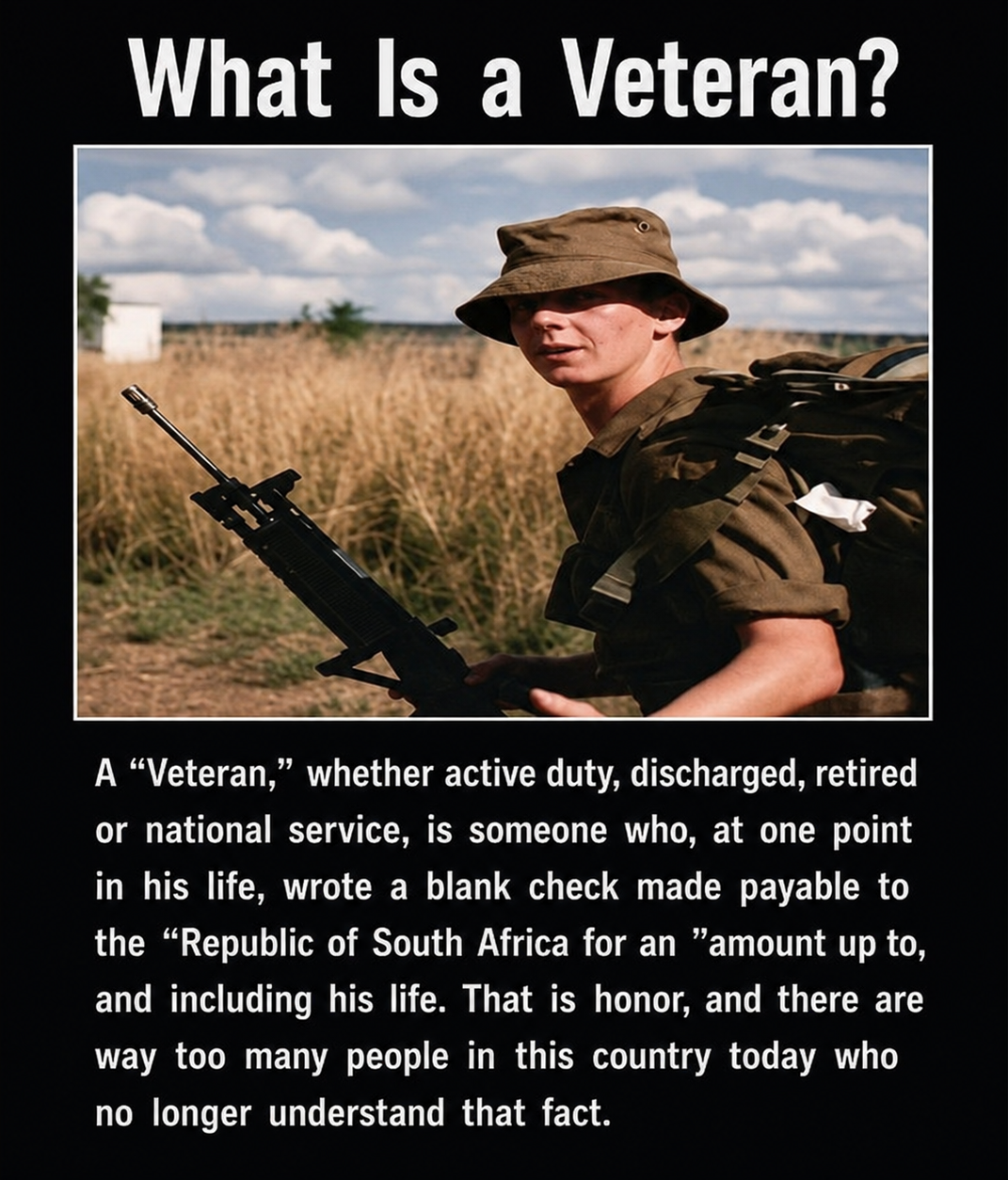
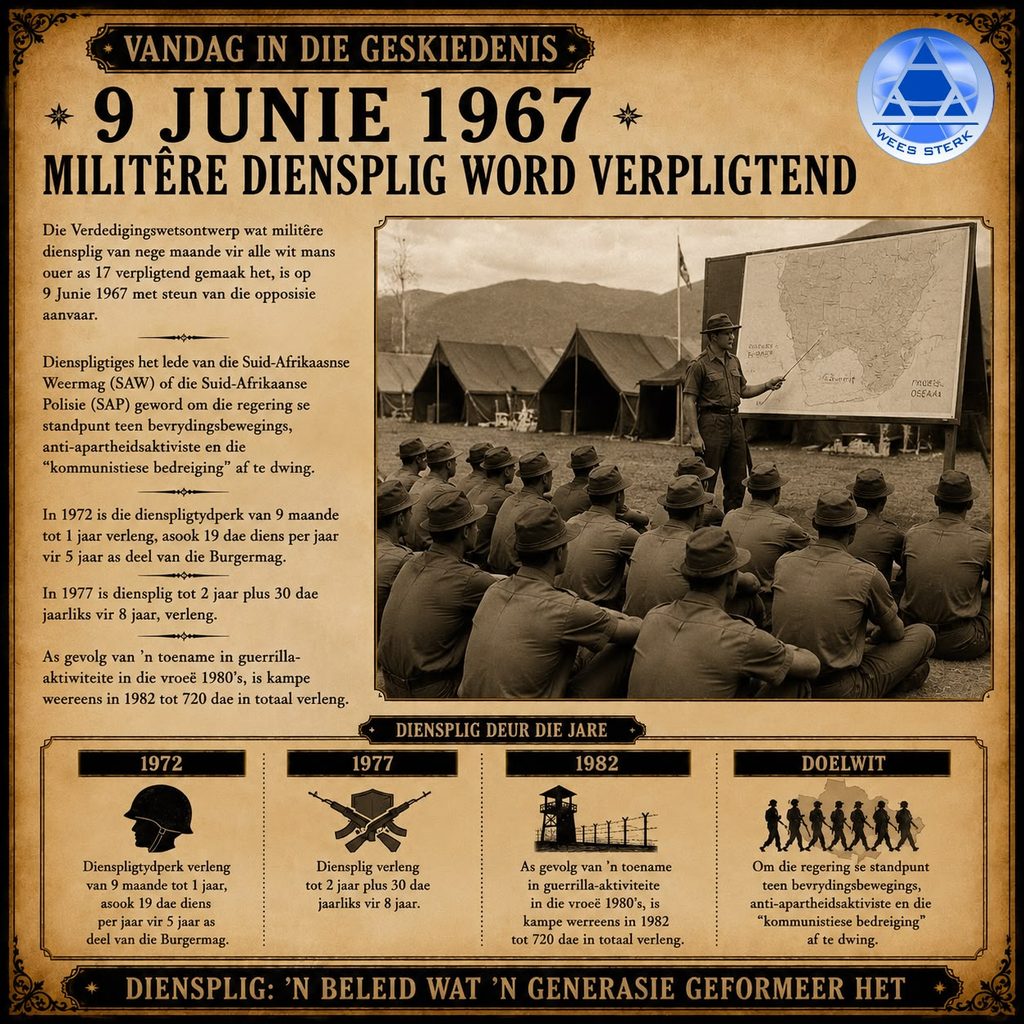
9 June 1967
Verpligte Militêre Diensplig
Compulsory military service became an important milestone in the military history of the region and shaped the lives of generations of young servicemen.
The experiences of compulsory service, training, deployment and comradeship became part of the personal histories carried by many veterans.
For the purposes of this History page, this event is presented as part of the wider military history surrounding the veterans whose memories M.O.T.H. preserves.
The Thunder of Cuito Cuanavale
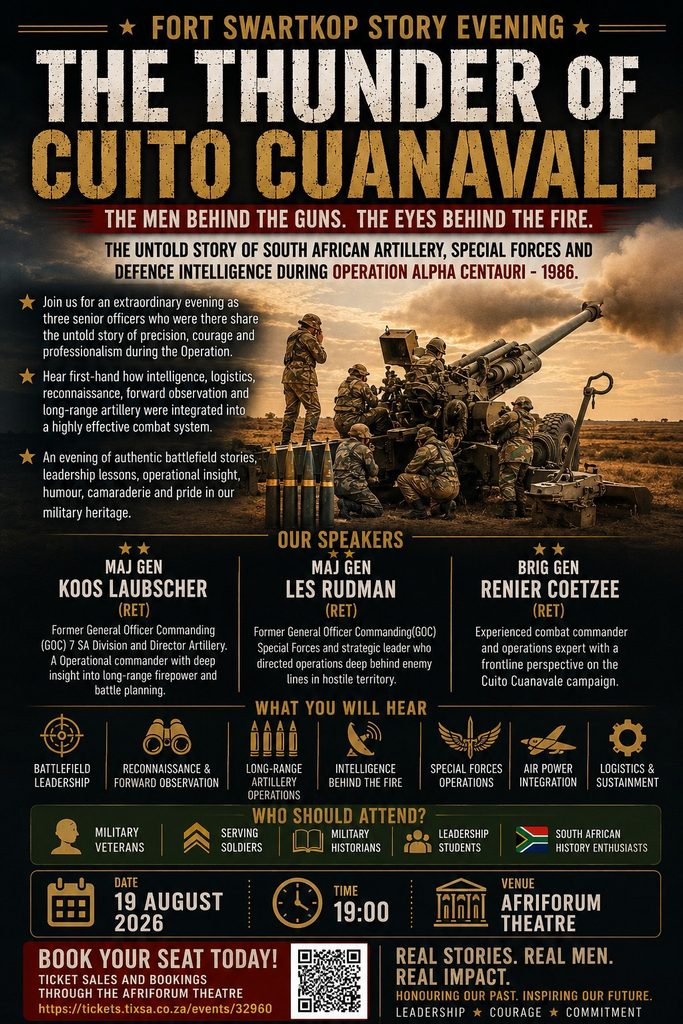
Cuito Cuanavale occupies an important place in the military history of Southern Africa.
The fighting involved large-scale conventional military operations and became one of the most remembered campaigns of the later Cold War period in the region.
For veterans, historical events such as these are not simply dates in a textbook. They are connected to people, comrades, places, memories and lives changed forever.
M.O.T.H. provides a place in which those memories can continue to be recorded and remembered.
M.O.T.H. In Good Standing
Membership carries responsibility.
A M.O.T.H. in good standing respects the traditions of the Order, supports fellow comrades, participates in Shellhole life and helps preserve the ideals that have survived across generations.
The bronze Tin Hat badge is a symbol of membership and is worn by members in good standing.
The Sunset Call
“They shall grow not old as we who are left grow old, age shall not weary them, nor the years condemn. At the going down of the sun and in the morning, we will remember them.”
We Will Remember Them
The Story Is Not Finished
The history of M.O.T.H. Namibia is still being written. Every Shellhole, every veteran, every photograph, every remembered name and every story passed to the next generation adds another piece to the record.
We honour those who served.
We stand beside those who remain.
And when the time comes, we remember those who have
answered the Sunset Call.